
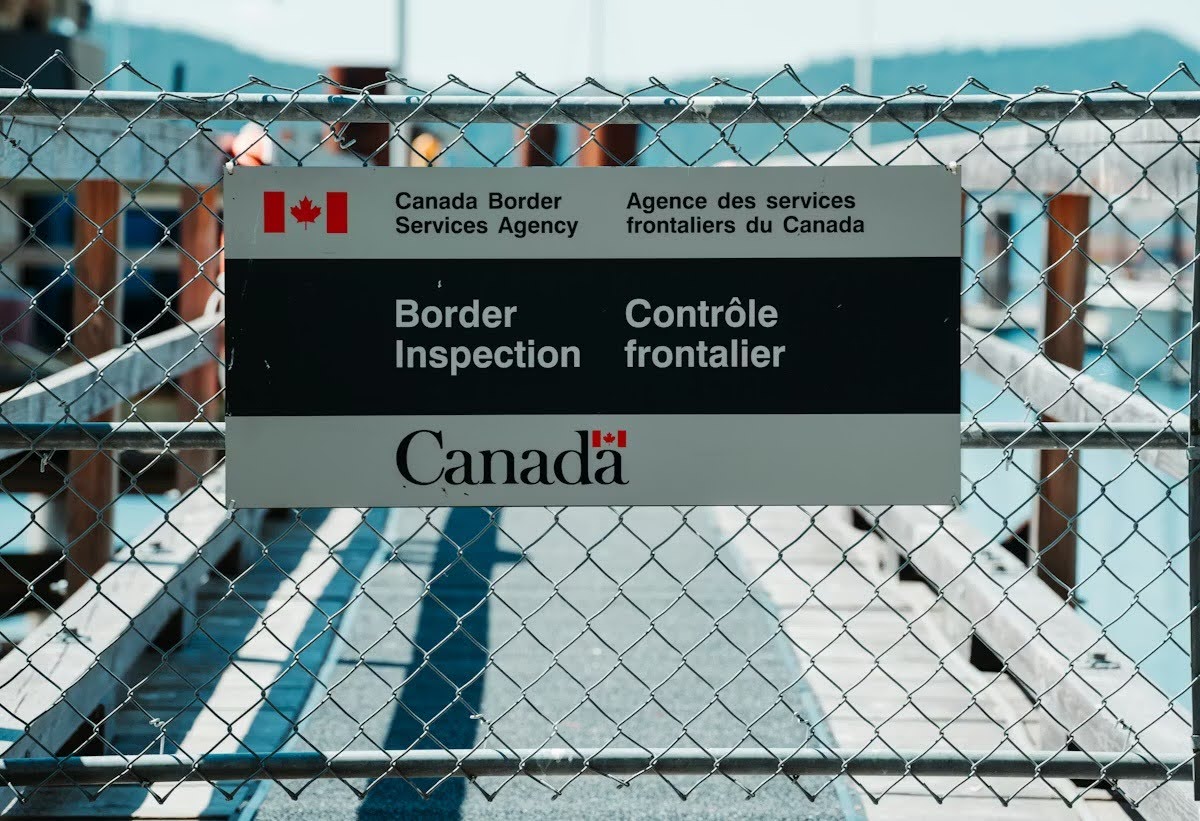
Traveling to Canada with a DUI (Driving Under the Influence) history can be more complicated than many people expect. Canada has strict immigration laws, and even a single DUI conviction can make a person inadmissible to the country. This means you may be denied entry at the border, whether you are traveling for tourism, business, or visiting family. However, having a DUI does not automatically mean you can never enter Canada. There are several legal pathways and factors that can influence your eligibility.
Understanding these options can help you plan your travel more effectively. Here are five key points to consider.
1. Understanding DUI Inadmissibility Rules
In Canada, a DUI is considered a serious criminal offense, which can make a traveler inadmissible. Even if the offense occurred many years ago, it may still affect your ability to enter the country.
Border officials have access to criminal records, and failure to disclose a DUI can lead to further complications. It is important to be honest and aware of how your record may impact your travel plans.
2. Applying for Temporary Resident Permit (TRP)
If you need to travel to Canada urgently, you may apply for a Temporary Resident Permit (TRP). This permit allows individuals with a DUI record to enter Canada for a specific purpose and duration.
Approval depends on the reason for your visit and whether it outweighs any potential risk. While a TRP is not guaranteed, it is a common option for travelers who need short-term access to Canada.
3. Considering Criminal Rehabilitation
For those looking for a long-term solution, criminal rehabilitation may be the best option. This process allows individuals to permanently overcome inadmissibility if they meet certain requirements, such as a waiting period after completing their sentence.
Once approved, you can travel to Canada without needing special permits for your DUI history. This option is ideal for frequent travelers or those planning future visits.
4. Hiring a Lawyer to Travel to Canada with DUI
Navigating the legal process can be complex, which is why hiring a lawyer to travel to canada with DUI history can be extremely beneficial. An experienced immigration lawyer can assess your situation, guide you through the application process, and help you choose the best option, whether it is a TRP or criminal rehabilitation.
Professional legal assistance can increase your chances of approval and reduce the risk of errors that could delay or jeopardize your travel plans.
5. Preparing Proper Documentation
Having the right documents is essential when attempting to enter Canada with a DUI history. This may include court records, proof of sentence completion, and any rehabilitation documents.
Being well-prepared shows that you are taking responsibility for your past actions and helps border officials assess your case more effectively. Proper documentation can make a significant difference in the outcome of your travel attempt.
Conclusion
Traveling to Canada with a DUI history can be challenging, but it is not impossible. By understanding the rules of inadmissibility, exploring options like a Temporary Resident Permit or criminal rehabilitation, seeking legal assistance, and preparing the necessary documents, you can improve your chances of entering the country. Careful planning and the right approach can help you overcome these obstacles and make your trip to Canada a reality.