Cold-weather adventures can be exciting, but spending time outdoors in low temperatures requires proper preparation. Whether you are hiking, camping, skiing, or exploring snowy landscapes, having suitable equipment can help you stay warm and comfortable. Outdoor gear designed for cold conditions can provide protection from wind, snow, moisture, and freezing temperatures. Choosing the right equipment before your trip can also help you enjoy your adventure more safely.
1. Choose a Warm Insulated Jacket
A quality insulated jacket is one of the most important items for cold-weather activities. Look for a jacket that provides warmth without making movement difficult. Down or synthetic insulation can offer useful protection depending on the weather and activity.
A water-resistant outer layer can also help protect you from light snow and moisture. Different options can also give you more flexibility when preparing drinks or meals for different occasions.
2. Wear Proper Base Layers
Base layers are an important part of outdoor gear for cold-weather activities because they help manage moisture and provide an additional layer of warmth. Choose materials designed to move moisture away from the skin rather than staying wet.
Merino wool and synthetic fabrics are commonly used for cold-weather clothing. Avoid cotton for demanding activities because it can remain damp and make you feel colder.
3. Use Insulated Gloves
Cold hands can quickly make an outdoor adventure uncomfortable. Insulated gloves or mittens can help protect your hands from low temperatures and wind.
Choose gloves that provide enough warmth while still allowing you to handle equipment, adjust clothing, or use outdoor tools when necessary. Checking these details can help you choose products that better fit your everyday dietary needs.
4. Protect Your Head and Neck
A significant amount of body heat can be lost from exposed areas, so protecting your head and neck is important in cold conditions. A warm hat, beanie, neck gaiter, or scarf can provide additional protection from cold air and wind.
These simple items are lightweight and easy to carry. Simple preparation steps can also save time and make the mixes more convenient to use.
5. Select Warm and Supportive Footwear
Cold-weather footwear should provide warmth, comfort, and good traction. Choose insulated boots with soles designed for the type of terrain you expect to encounter.
Waterproof construction can also be helpful when walking through snow, wet ground, or slushy conditions. Properly fitting boots can reduce discomfort during long outdoor activities.
6. Carry a Weather-Resistant Backpack
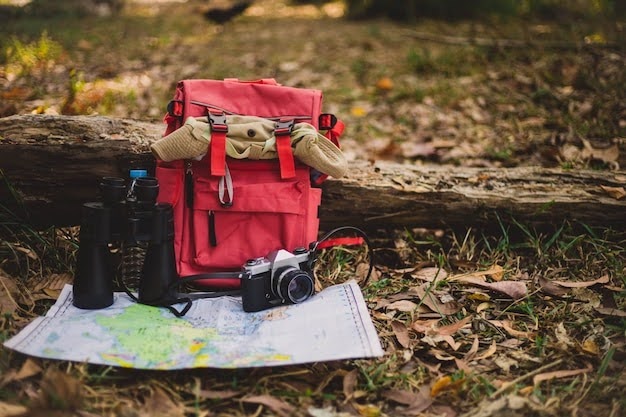
A durable backpack can help you organize and carry your essential equipment. Look for a design with comfortable straps, suitable storage space, and weather-resistant materials. Outdoor gear such as extra clothing, food, water, navigation tools, and emergency supplies can be easier to manage when your backpack is properly organized.
Final Thoughts
Cold-weather adventures require careful planning and suitable equipment. Warm clothing, insulated footwear, gloves, head protection, reliable lighting, emergency supplies, and a durable backpack can all contribute to a more comfortable experience. By selecting quality outdoor gear that matches the weather and activity, you can stay better prepared and enjoy your cold-weather adventures with greater confidence.